
WHEEL TECH CENTRE
Havoc Wheel Tech Centre for Harley-Davidson Motorcycles
Practical fitment and installation guidance for aftermarket wheels on Harley-Davidson motorcycles.
Wheels and tires are critical safety components. Improper installation can affect handling, braking and vehicle stability. These pages are technical reference material only and do not replace the motorcycle manufacturer's service manual or product instructions. Use a competent, experienced motorcycle technician.
Installing aftermarket wheels on a Harley-Davidson takes a lot more than choosing a wheel that looks right. Over the years, Havoc Motorcycles has built up a lot of technical knowledge from the wheels we sell, the installations we have supported, and the fitment questions we have answered for Harley-Davidson riders and motorcycle shops. We have put it here, in the hope that it is helpful, so you don't have to learn it the hard way.
What you'll find here
The Tech Centre covers the practical details of fitting aftermarket wheels to Harley-Davidson motorcycles. Start with the section that matches your question.
Wheel design and manufacturing
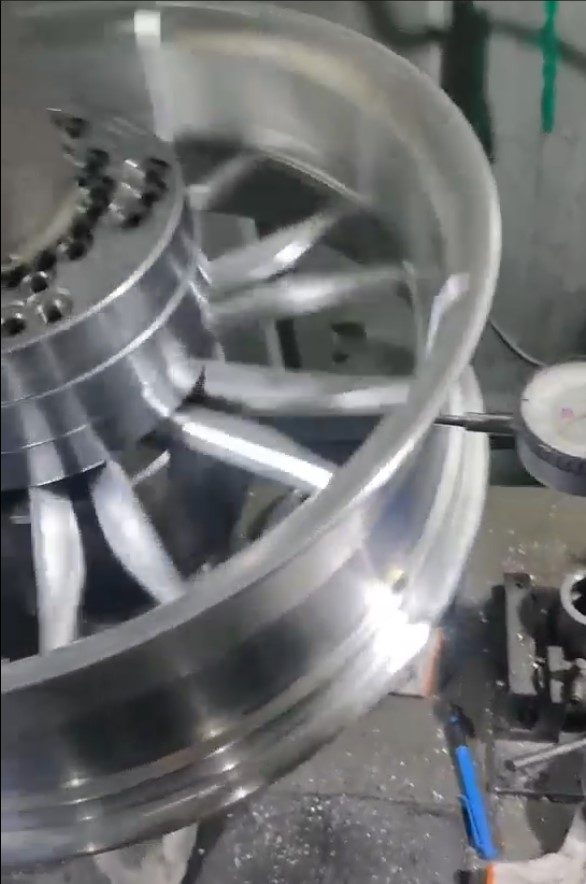
Billet vs Cast Motorcycle Wheels: What You Feel on the Road
Why the way a wheel is made matters more than its style, and what 6061-T6 billet versus cast alloys means on a heavy motorcycle.
Read guide →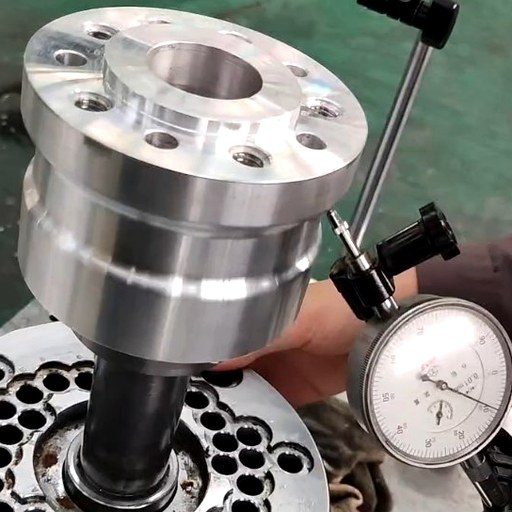
Runout Tolerances: Why Thousandths Matter
How runout is measured, why balancing can't fix it, and how a speck trapped at the hub becomes a wobble at the rim.
Read guide →Planning your wheel upgrade
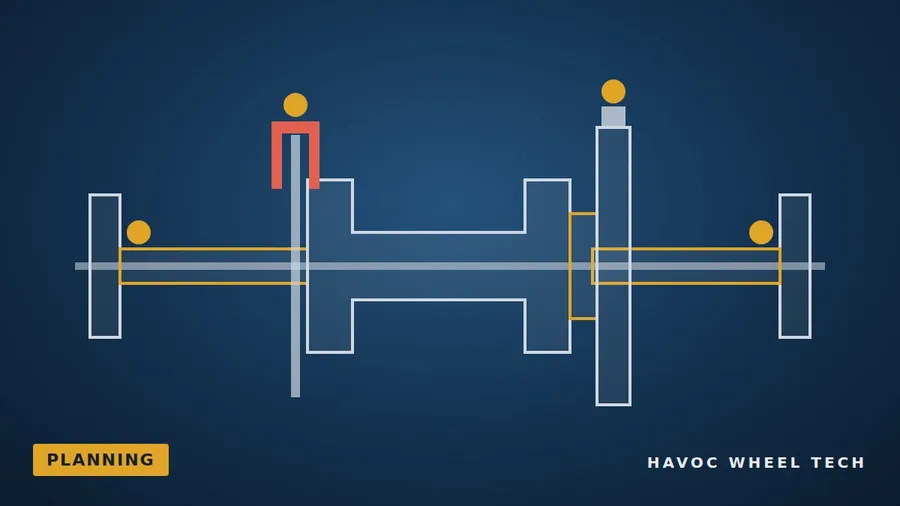
Choosing an Installer for Your Wheels
What separates a custom-wheel technician from a parts-replacer, the questions to ask any shop, and a case study in what happens when installation is not verified.
Read guide →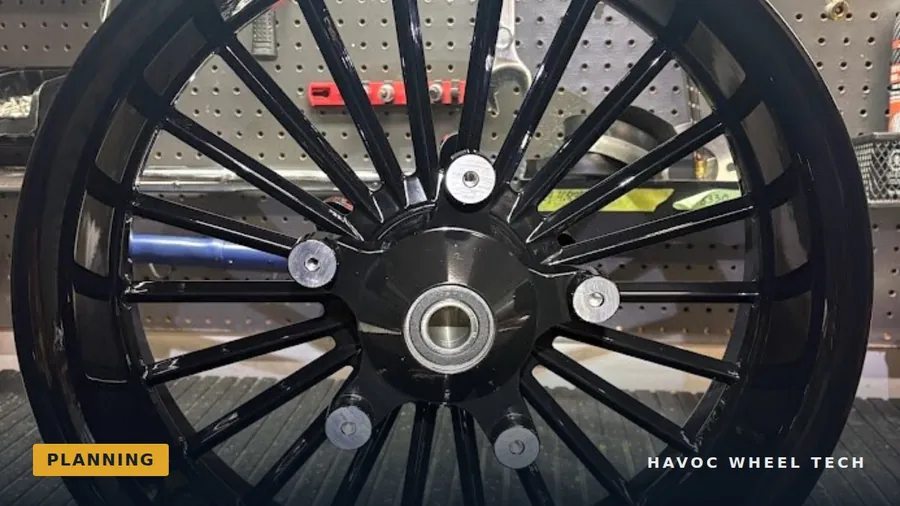
Dry-Fit: When to Dry Fit Wheels Before the Tires Go On
When a dry fit is needed, how to do it, whether a wheel from another model will fit, buying used wheels, setting pulley position, and mocking up axle spacers before anything is machined.
Read guide →Wheel and tire sizing by model
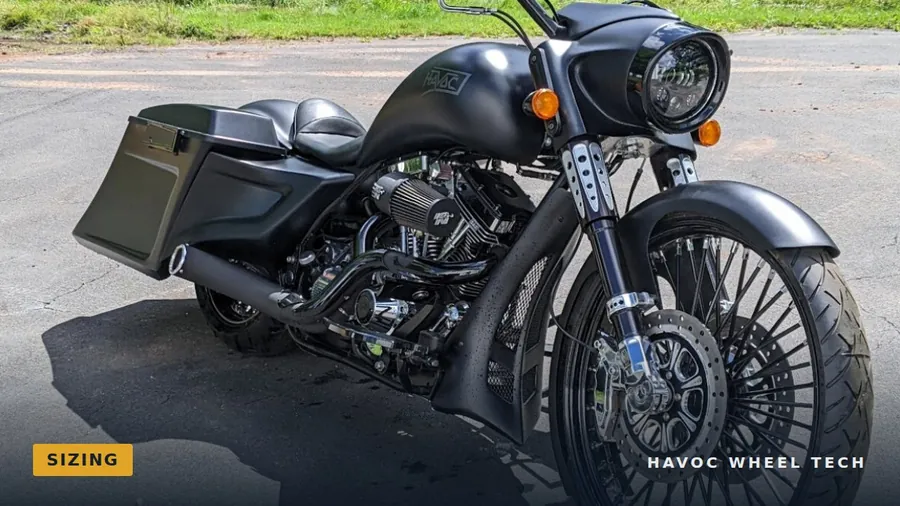
Harley-Davidson Touring Wheel and Tire Sizes by Model
Stock sizes and the largest bolt-in wheel and tire for Touring models, 2000–2026.
Read guide →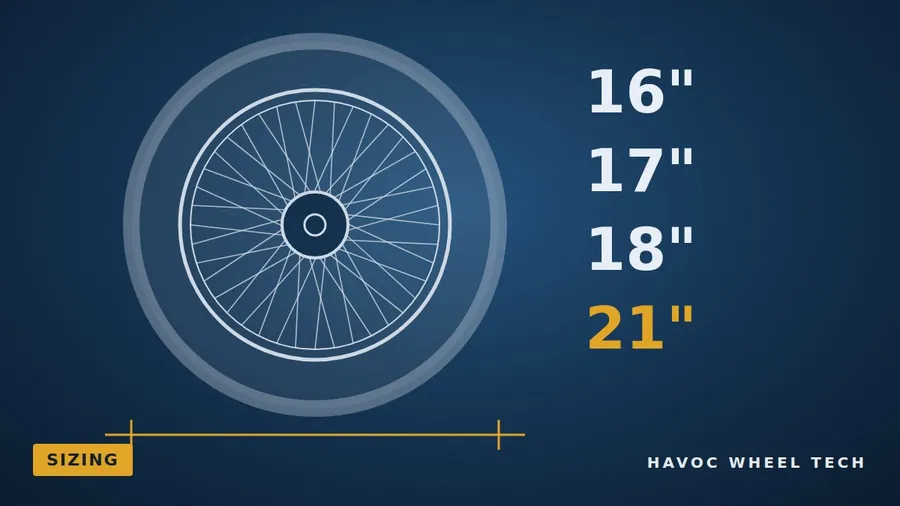
Harley-Davidson Softail Wheel and Tire Sizes by Model
Stock sizes and the largest bolt-in wheel and tire for Softail models, 2000–2026.
Read guide →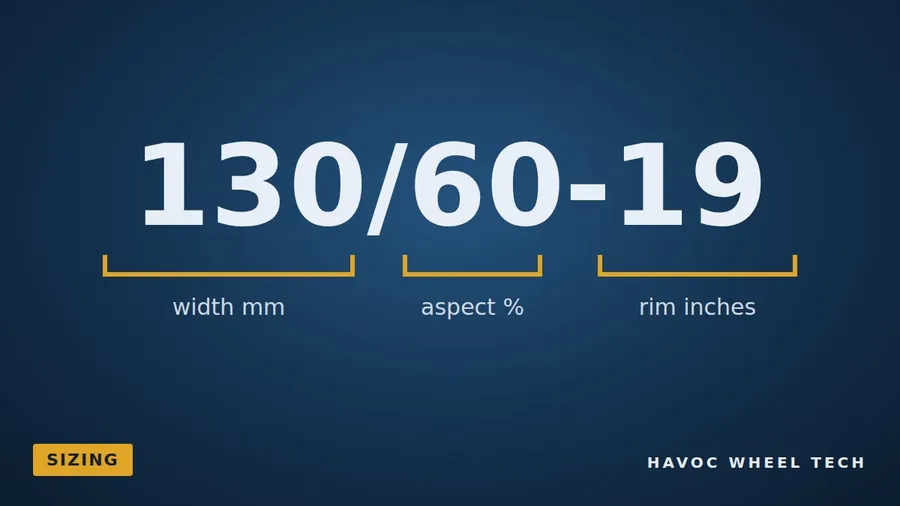
How to Read Motorcycle Tire and Rim Sizes
What 130/60-19 and 18 x 5.5 mean, and how to calculate overall diameter before you buy.
Read guide →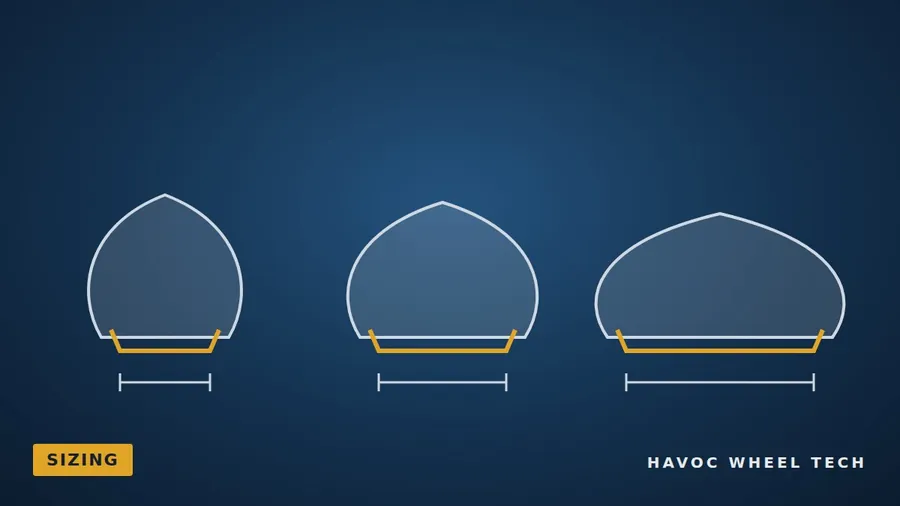
Which Tire Fits Which Rim? Motorcycle Tire and Rim Width Guide
A complete front and rear tire-to-rim fitment chart, and why aftermarket half-size wheels take the same tire as factory wheels.
Read guide →Brakes: rotor and caliper alignment
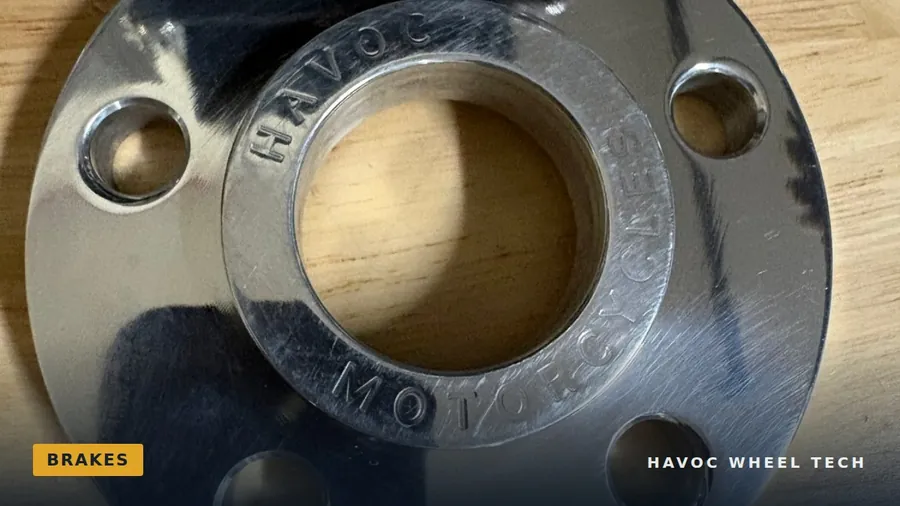
Centering Your Brake Calipers After a Wheel Change
Why calipers must be checked and shimmed whenever wheels or rotors change.
Read guide →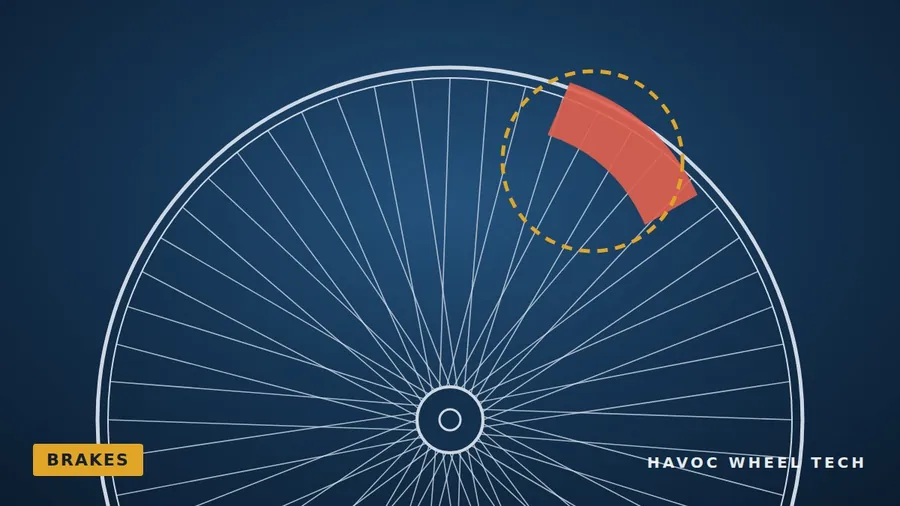
Caliper and Rotor Clearance: Radial Spokes, Floating Buttons
Dealing with caliper-to-spoke and rotor button contact.
Read guide →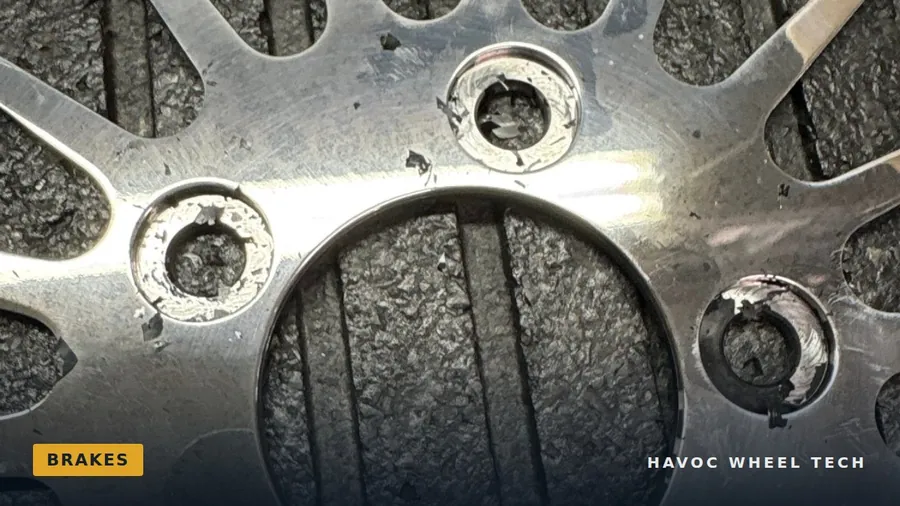
Polished Stainless Rotors: Pads, Noise and Finish
Why our rotors are 420 stainless rather than chrome, which pads to run, curing brake squeal, and why mill scale must go.
Read guide →Pulleys, belts and fasteners
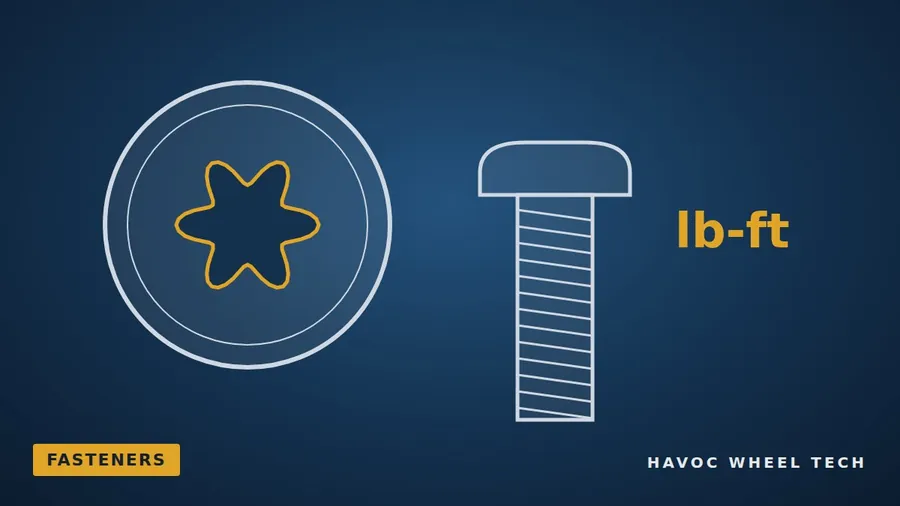
Harley Wheel Fastener Guide: Sizes, Torque and Threadlocker
Rotor and pulley hardware, reference torque values, and why a fastener must never be forced.
Read guide →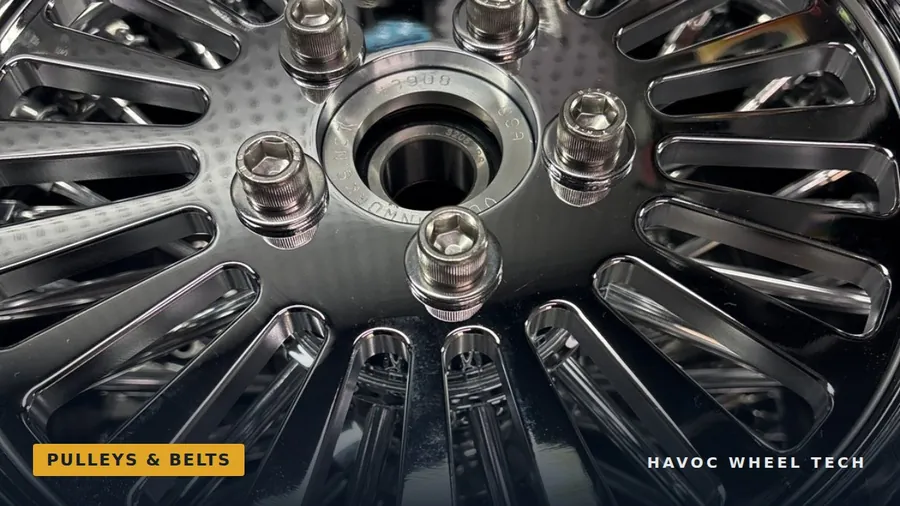
Pulley Bolts and Aluminum Hubs: Getting Bolt Length Right
Measuring the stack, avoiding bottomed bolts, and the staged torque sequence.
Read guide →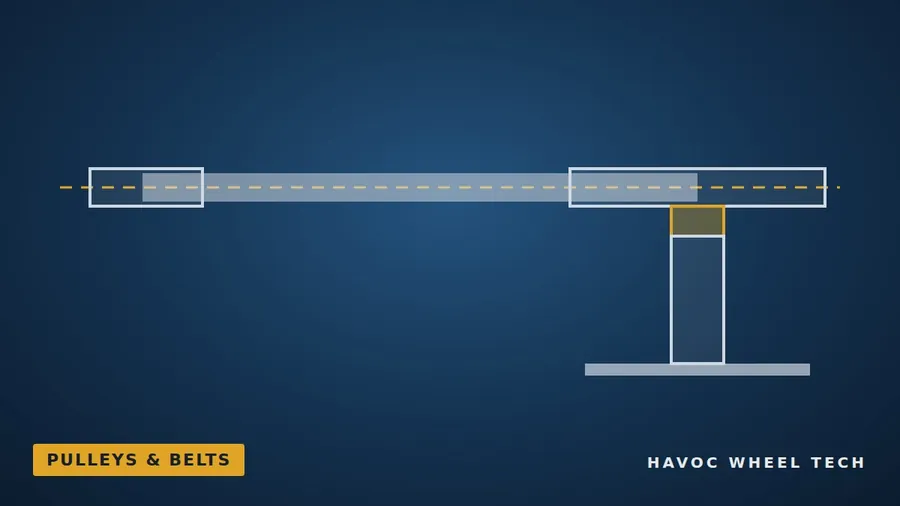
Rear Pulley Spacers and Belt Alignment
The rotor-to-pulley measurement, Softail spacer examples, fitting pre-1999 pulleys, belt noise and tracking after a wheel change, stock pulley, belt and rotor sizes for Touring and Softail, and changing pulley size.
Read guide →Model-specific installations
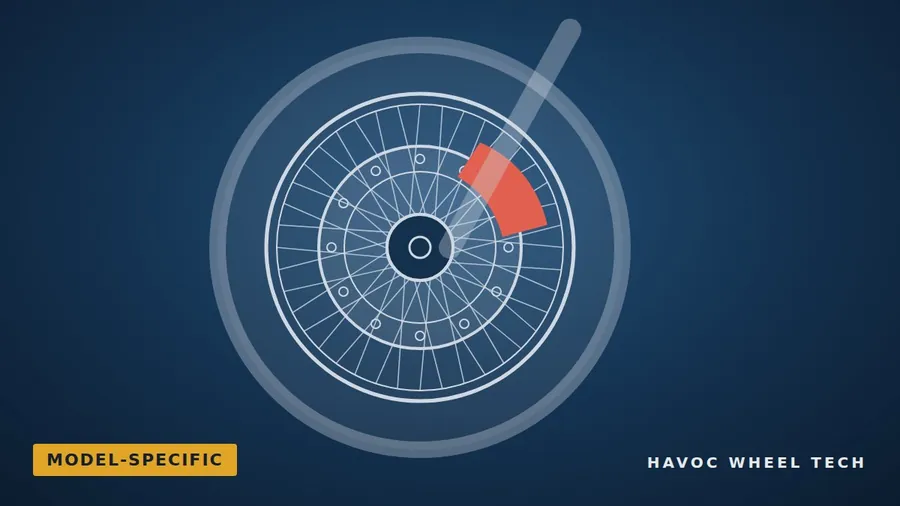
Installing a Custom Single-Disc Front Wheel on a Softail
Axle spacers, the Heritage and Deluxe hub cap spacer, fenders, and why a dual-disc motorcycle should keep both discs.
Read guide →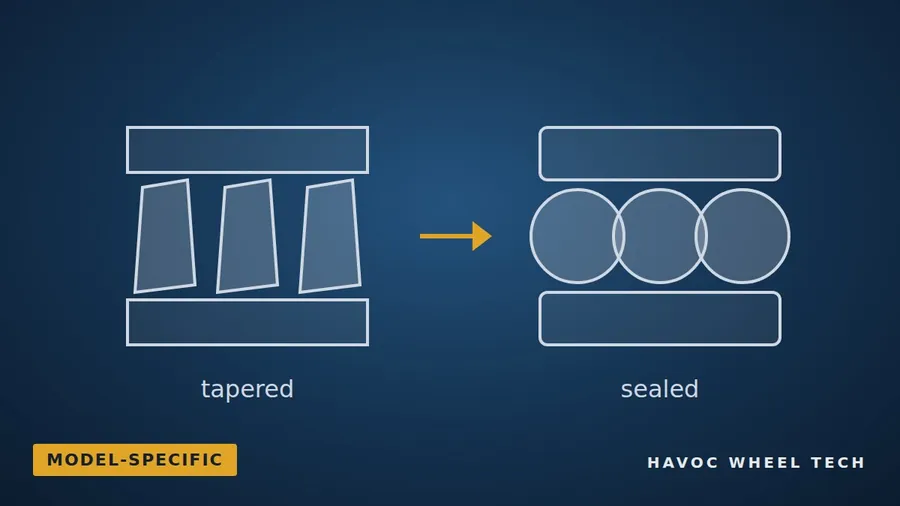
Fitting Modern Wheels to Pre-2000 Harley-Davidson Motorcycles
What changes when an older bike moves to sealed-bearing wheels.
Read guide →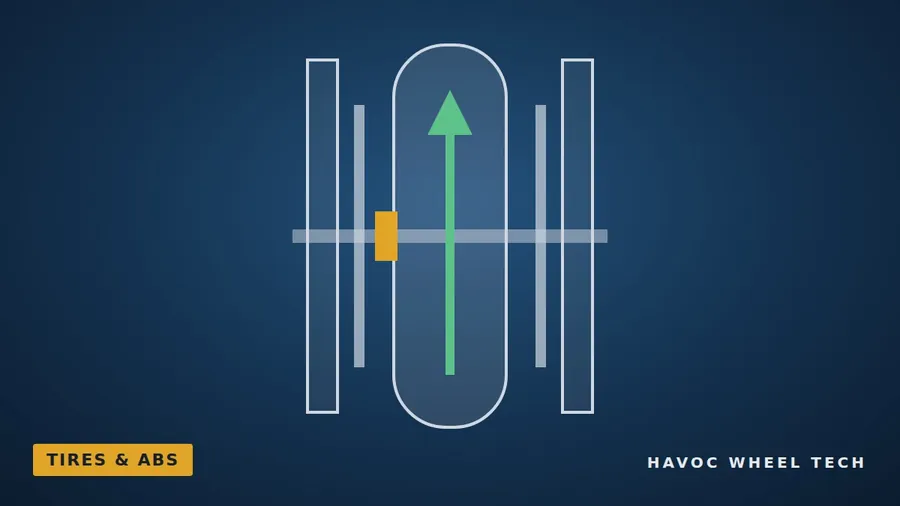
Which Way Does the Wheel Go? Tire Direction, Dual Discs and ABS
Rotation arrows, ABS wheel orientation, clearing an ABS light after a wheel change, and mounting a rear tire on the front.
Read guide →Big fronts and fat fronts
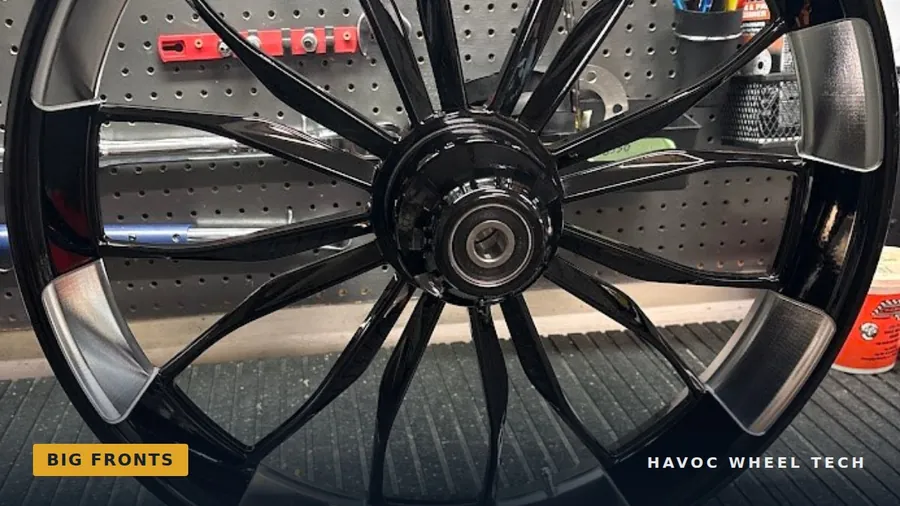
Going Bigger Up Front: 21-, 23- and 26-Inch Harley Wheels
Fenders, raked trees, 21-inch fronts on 2014-and-later baggers, headlight and fairing angle, ABS brake lines, and setting up the front end so it steers without a wobble.
Read guide →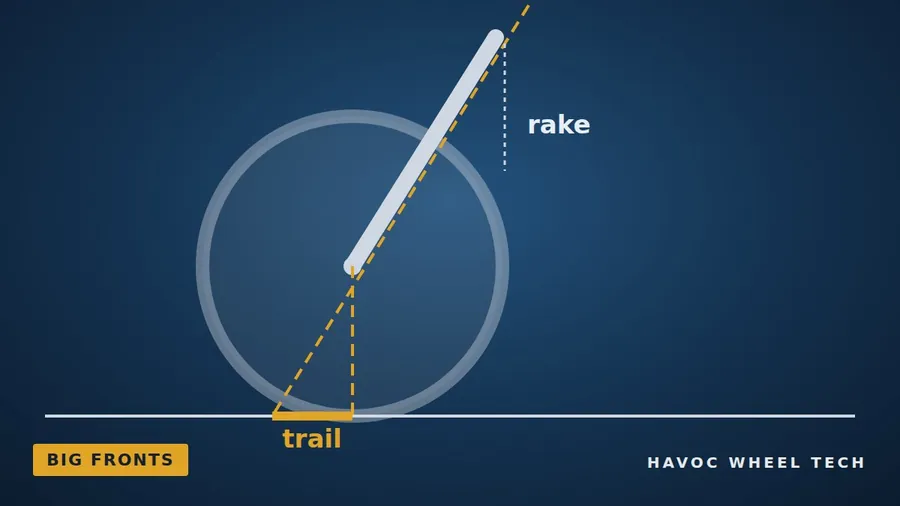
Rake, Trail and Raked Triple Trees
What each big-front size does to rake and trail, calculated, and why raked trees and frame rake are needed.
Read guide →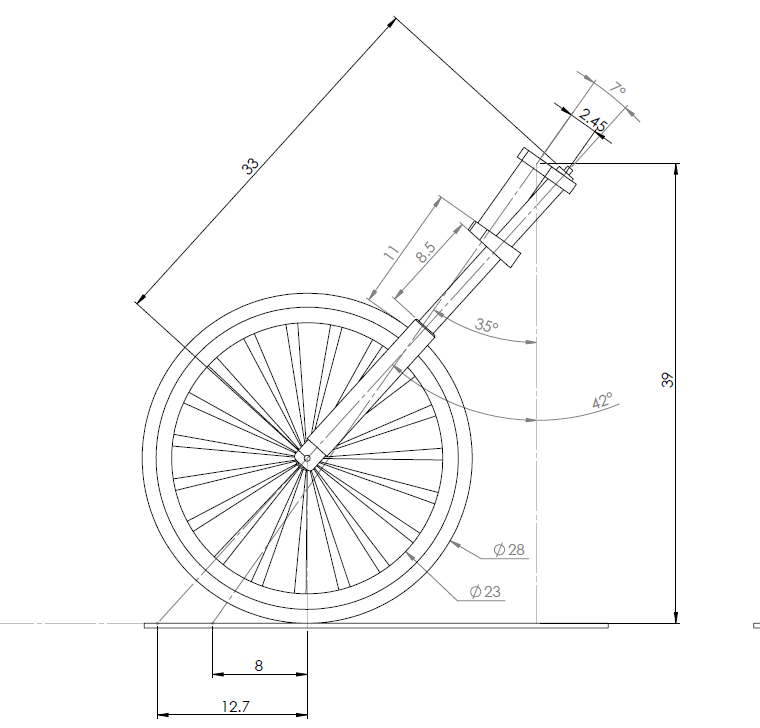
Sizing and Fitment: Front vs Rear, 16, 18 and 21 Explained
What a 21-inch front really does to ride height, fender clearance and steering, and why it doesn't require an 18-inch rear.
Read guide →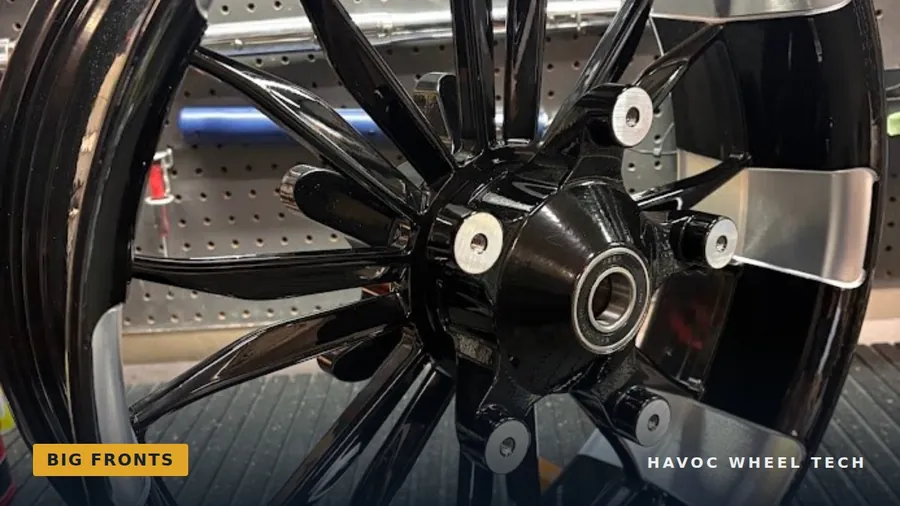
180mm Fat Front Tire Kits for Harley-Davidson Touring Models
Tire size limits, fork clearance, fender installation and hardware.
Read guide →Tires, balancing and TPMS
Finish and care
Request a Tech Note
Have a question about Harley-Davidson wheels? Chances are others would like to know the answer too. Send us a note and we'll do our best to answer.